
Alexander Fleming
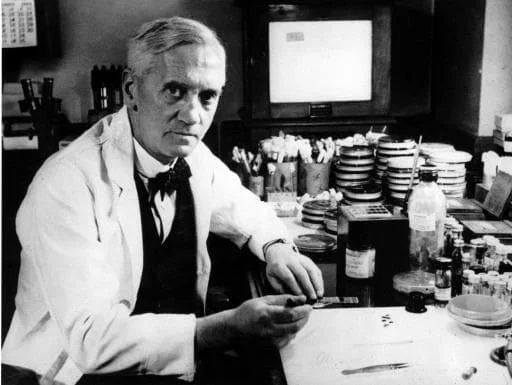
Sir Alexander Fleming (6 August 1881 – 11 March 1955) was a Scottish biologist, physician, microbiologist, and pharmacologist. His best-known discoveries are the enzyme lysozyme in 1923 and the world's first antibiotic substance benzylpenicillin (Penicillin G) from the mould Penicillium notatum in 1928, for which he shared the Nobel Prize in Physiology or Medicine in 1945 with Howard Florey and Ernst Boris Chain. He wrote many articles on bacteriology, immunology, and chemotherapy. Fleming was knighted for his scientific achievements in 1944. In 1999, he was named in Time magazine's list of the 100 Most Important People of the 20th century. In 2002, he was chosen in the BBC's television poll for determining the 100 Greatest Britons, and in 2009, he was also voted third "greatest Scot" in an opinion poll conducted by STV, behind only Robert Burns and William Wallace.
Listed On
- #1 of 32Famous Scientists from Scotland
- #3 of 12History's Impactful Decisions
- #6 of 1313 People Who Were Right All Along, But No One Listened
- #6 of 395Famous Biologists
- #25 of 654Famous Male Scientists
- #25 of 5950+ Celebrities Born on August 6
- #36 of 327Greatest People in History
- #38 of 273Famous Imperial College London Alumni
- #66 of 752Greatest Minds of All Time
- #145 of 1310Famous People Who Died of Myocardial Infarction
- #149 of 728Famous Writers from Scotland
- #548 of 1000Famous People Who Died in London
- #926 of 999Famous People Who Died in England
Comments (0)
Join the conversation
Sign in to share your take and reply to others.
First take? What stood out to you about "Alexander Fleming"?